Rusty Lake has made a striking return with a fresh, haunting adventure, and if you’ve ever overlooked this quietly mesmerizing series, now is the time to see what you’ve been missing. Over recent years, Rusty Lake has blossomed into a surreal collective dreamscape—one that artfully blurs the typical lines between genres and showcases how puzzle games can become an immersive storytelling canvas. Packed with chilling atmosphere, enigmatic icons, and a tangled lore that goes progressively deeper, the series is rapidly carving out a permanent spot in indie gaming’s cult hall of fame. Yet, this delightfully peculiar universe is not reserved solely for puzzling die-hards—it’s wide open for anyone craving a particularly innovative descent into the uncanny.

## **Rusty Lake Games: The Indie Horror Puzzle Series You Didn’t Know You Needed**
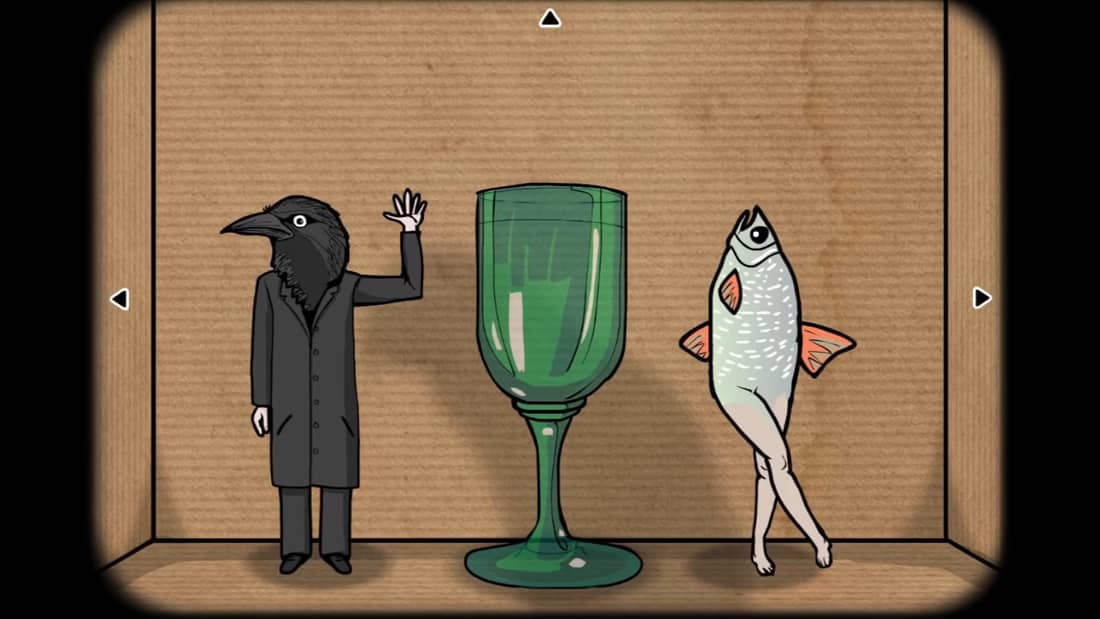
In the flood of AAA game headlines and the constant noise of multiplayer juggernauts, Rusty Lake’s understated brilliance quietly stands out as a rare, meaningfully strange gem. Developed by a passionate Dutch team, the series fuses psychological horror and point-and-click puzzling, painting each scene with an atmosphere reminiscent of Lynchian dreams. Since 2015’s Cube Escape, Rusty Lake has steadily gathered a fiercely loyal following—escalating its creative risks with each release. The games have become a testament to how subtle worldbuilding and patient pacing can craft experiences that are exceptionally impactful.
## **This Isn’t Just a Game: Why Rusty Lake’s Lore Runs Deeper Than You Think**
At a casual glance, Rusty Lake’s sharply drawn puzzle rooms might look like simple brainteasers. However, beneath those ink-wash surfaces lies a sprawling, interconnected saga. Playing these games often feels like psychological archaeology—each entry, from “Rusty Lake Hotel” to the acclaimed “Paradox,” deposits fresh strata of narrative to be excavated. Every cryptic animal and odd artifact plugs into an ever-expanding, mythic continuum. The newly launched *Underground Blossom* pushes these narrative depths even further, as players join longtime favorite Laura Vanderboom on a shadowy, underground odyssey that is as theatrical as it is spine-tingling.
What truly distinguishes Rusty Lake is its willingness to let players become detectives of its mysteries. The series is constructed not just to present challenges, but to actively spark player curiosity. Symbolism is used not sparingly but deliberately—recurring motifs like ravens or cubes echo through the proceedings, hinting at secrets and inviting speculation. With each ambiguous hint and temporal twist, Rusty Lake positions itself not just as a game but as a living mythos—transforming players from passive observers into co-authors of the story.
## **Slept on Rusty Lake? Here’s What You’ve Been Missing (And Why It’s Time to Wake Up)**
It’s easy to be swept up in blockbuster spectacles or sprawling open-world quests. However, Rusty Lake flourishes by embracing quiet unease over frantic action—demonstrating that sometimes, stillness has a power all its own. In the last decade, the series has quietly racked up more than 20 million downloads, despite minimal marketing and a minimalistic visual style that some might call surprisingly reserved. Such success is a testament to the simple truth: originality, when thoughtfully executed, resonates powerfully.
For those reluctant to dip a toe into the lake, understand that Rusty Lake is more than a collection of puzzles; it’s a space filled with surrealist storytelling reminiscent of Jung’s psychoanalysis or Kubrick’s cryptic films. There’s an emotional intelligence to its design—these games invite reflection, not just reaction. The soundtrack, mixing minimalist piano with chilling ambient effects, ties everything together, giving each moment an air of tension rare in digital spaces.
In *Underground Blossom*, all these qualities are notably refined. As highlighted recently by Eurogamer, this release expands the series’ mechanics, integrating a clever inventory system and providing multiple layered puzzles within each haunting train station. Laura must piece together her fractured self, guiding players through an evocatively ghostly ride that makes every vignette feel urgent and meaningful.
## **Rusty Lake’s Gorgeous Minimalism Is a Masterclass in Indie Game Design**
While other indie studios occasionally chase cinematic grandeur, Rusty Lake’s developers are clearly comfortable forging their own path. There’s no need for overblown visuals or frenetic combat here; instead, every hand-crafted frame delivers atmosphere with exceptional deliberateness, calling up the feeling of macabre watercolors animated into life. The audio design may initially seem understated, yet it’s remarkably effective—each click and melody perfectly timed to keep players in a perpetual state of intrigue.
User interfaces are sleek and free of clutter, objectives always lurking just out of reach. In playing, you become an archaeologist of memory and trauma—every interaction feels weighty, every object a message wrapped in symbolism. The creators themselves describe each element as intentional, “nothing is left without reason.” By championing disciplined design and resisting excess, Rusty Lake stands as a quiet rebuke to sensory overload in contemporary games.
## **What’s Next for Rusty Lake? Bigger, Braver, and Even More Bewitching**
Currently, the Rusty Lake team is poised for their boldest moves yet. Surging community support—fueled by media coverage and crossover fans from the Cube Escape origins—has created space for new ideas and daring experiments. Early hints suggest forthcoming content might blend escape-room gameplay with real-world events and perhaps even virtual reality elements. With each game, the potential for deeper immersion significantly expands, prompting much anticipation about where this psychological labyrinth will wind next.
This kind of fearless innovation, sustained by genuine player enthusiasm, is what makes Rusty Lake uniquely inevitable. What started as an oddball experiment has developed into one of indie gaming’s most ambitious, intricately layered narratives. The experience resonates not just because it unsettles, but because, at its core, it recognizes and explores the complexity of human memory and emotion—always shadowed, often beautiful, never entirely resolved.
## **Getting Started: How to Dive into the Rusty Waters**
If you’re just now considering a dip into Rusty Lake’s depths, the *Cube Escape Collection* is the perfect entryway—offering a complimentary series of games that gently introduce the series’ unique logic and elegant weirdness. From there, *Rusty Lake Hotel* lures in those craving twisted humor, while *Roots* tells a multi-generational story laced with secrets. You may find *Underground Blossom* to be a particularly accessible start if you’re drawn to cerebral horror layered with emotional undertones—the descent isn’t always a fall, sometimes it’s a journey through memory’s tunnels.
| Game Title | Release Year | Recommended For |
|————————–|————–|—————————————————–|
| Cube Escape Collection | 2015–2020 | New entrants seeking the series’ foundation |
| Rusty Lake Hotel | 2015 | Lovers of dark wit & deliciously twisted plots |
| Rusty Lake: Roots | 2016 | Story-driven players craving generational mystery |
| Rusty Lake: Paradise | 2018 | Fans of psychological symbolism & moral intrigue |
| Rusty Lake: Paradox | 2018 | Puzzle solvers & Alternate Reality Game enthusiasts |
| Underground Blossom | 2023 | Both series veterans & the newly curious |
## **Final Thoughts: Why Rusty Lake Is the Best Kept Secret in Gaming**
Rusty Lake isn’t simply a series—it’s a beautifully interwoven narrative ecosystem. It honors the intelligence of its audience, consistently upends expectations, and has built an authentically supportive community, bound not by spoilers but by wonder. For those who have long resisted the lure of the lake, now is the moment to wade in and see what treasures might drift to the surface.
In the age of spectacle and bloated franchises, Rusty Lake stands out precisely because it delivers complex, silent intensity. Ignore it, and you risk missing one of gaming’s most remarkably imaginative, richly personal, and enduring gifts. If you seek a game that quietly changes how you see the world, these peculiar shores are waiting.
Related posts: