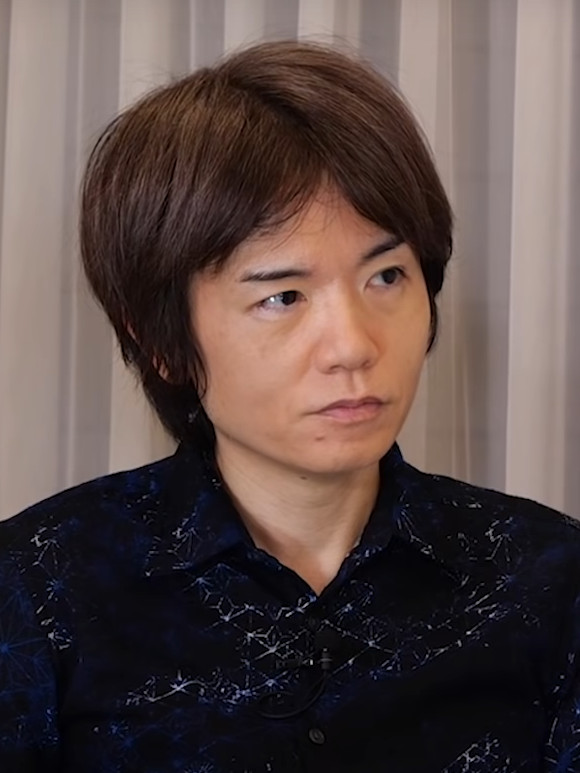

Masahiro Sakurai, the visionary behind Super Smash Bros., is now intentionally choosing a “modest, unassuming life”—a move that has caught the gaming community off guard and, quite strikingly, ignited vital discussions about the price of fame in the modern digital era. In the rapidly shifting landscape where even game designers are placed under the microscope, Sakurai’s recent words are both a quiet withdrawal and a compelling plea for balance. What drives a legend like him to prefer solitude over global adoration, and how might this shift fundamentally influence the next wave of creative leaders in gaming? Sakurai choosing discretion instead of the dizzying heights of industry fame (Image credit: productivity.biz.id) Why Masahiro Sakurai Is Stepping Away from the Limelight Sakurai’s name is inextricably linked to the Super Smash Bros. legacy. Having orchestrated every release since the franchise’s debut in 1999, his vision dynamically transformed both the gameplay genre and its wider cultural significance. Yet recently, speaking candidly on YouTube, Sakurai admitted his desire for a quieter existence, far from becoming “the plaything of the internet.” That phrase alone, exceptionally resonant in this age, mirrors the challenges faced by creative professionals everywhere—where adulation rapidly mutates into relentless scrutiny. “The Plaything of the Internet”: When Acclaim Turns Burdensome In recent years, online engagement has transformed from supportive enthusiasm into probing surveillance. Sakurai’s expression of wanting to avoid being “the plaything of the internet” in a video released this December, subtly references the burden of instant, at times overwhelming, criticism. What begins as fan passion can strikingly resemble digital mobbing, rather than feedback. This trend is particularly striking within gaming circles, where fan communities are both incredibly passionate and notably vocal. The tide of constant commentary places creatives under extraordinary pressure. While Sakurai’s revelations prompted thousands of supportive replies—with some fans sincerely apologizing for earlier criticisms—the dialogue emphasizes the fragile relationship between creator and community. Notably, this intrusive attention isn’t exclusive to gaming; directors, writers, and tech innovators feel its weight, too. But in the world of interactive entertainment, the pace and intensity of fan feedback are strikingly amplified. Sakurai’s YouTube Shift: Cultivating Wisdom, Not Hype So, what does it mean for an icon to step back from the chaos? Remarkably, Sakurai chose to refocus his energies on educational game design videos on YouTube. By consistently releasing episodes dissecting development principles, he’s swapping the spectacle of announcements for a highly efficient form of mentorship. This fresh approach, quietly revolutionary in gaming circles, is as much about legacy-building as it is about personal renewal. Through his video essays, Sakurai is not teasing future products—he is generously sharing wisdom. This notably improved method for community engagement allows young designers and long-time gamers alike to learn directly from a master. Dispensing insight rather than teasers, Sakurai skillfully navigates out of the cycle of relentless demands and towards something particularly enduring and instructive. The result is impactful and, in my view, surprisingly therapeutic for the industry at large. Seeking Solitude: What Sakurai’s New Direction Signals About Creator Wellbeing Within the often grueling discipline of Japanese game development, Sakurai’s retreat is not merely personal, but emblematic of wider issues plaguing creative fields. By openly discussing his search for a “modest, unassuming life,” he brings overdue attention to the significance of mental health, work-life balance, and sustainable leadership. Over the past decade, more creators—across cultures—have started voicing similar needs, creating a dialogue previously all but absent. Having gracefully stepped aside from hands-on development after Super Smash Bros. Ultimate, Sakurai seems to be forging a template for future leaders: mentorship over never-ending expansion, clarity over clamor. This shift is both timely and encouraging, presenting a path for long-term wellbeing within an industry famous for its intense pace and high stakes. For aspiring creatives, his actions serve as a noteworthy lesson about setting careful boundaries. From Smash Ultimate to Considered Silence: What Comes Next? The community continues to wonder if Sakurai will ever return for another Super Smash Bros. project. For now, acceptance is slowly replacing expectation; fans are beginning to view Ultimate—with its all-encompassing roster and inventive design—as a fitting magnum opus. Sakurai’s impact, though perhaps less visible in the coming years, remains incredibly durable. Every gameplay tweak, each video tutorial, and even his quiet presence online, demonstrates a legacy that feels both human and timeless. By his own account, Sakurai is no longer “actively involved” in development, and has signaled his intention to scale back on regular communication. Nevertheless, his touch lingers prominently in design philosophies and community dialogue. Whether it’s the balance-obsessed DNA of his games or the patient, measured tone of his video lessons, Sakurai’s ethos persists—guiding, rather than dictating, the trajectory of modern interactive media. Sakurai’s Enduring Impact Key Contributions The Super Smash Bros. Series Invented and refined the platform fighter, making crossover narratives mainstream Game Design Insights Delivered exceptionally clear lessons on accessibility, balance, and intuition Wellbeing Advocacy Became a rare champion for mental health and creative autonomy Building Bridges Modeled healthier, more empathetic discourse between fans and creators A North Star for Developers—and for Internet Culture Sakurai’s withdrawal from the digital stage, surprisingly graceful and richly considered, stands as both a caution and a beacon. His decision powerfully embodies the need for creative legacies to be protected, not consumed. Over the past few months, I’ve noticed more developers publicly echoing Sakurai’s message—a small, but notably improved, shift toward valuing creators as people rather than perpetual content machines. In modeling how to retreat thoughtfully while still nurturing the industry, Sakurai is charting a bold new course. For game creators navigating the noisy energy of digital fandom, his example is both encouragement and relief. The lesson is unmistakably clear: innovate bravely, share sincerely, and when it is time, step aside with pride—trusting that your quiet influence will be felt for years. Sometimes, the strongest legacies are built not in shouts, but in measured, enduring silences. Source: Eurogamer