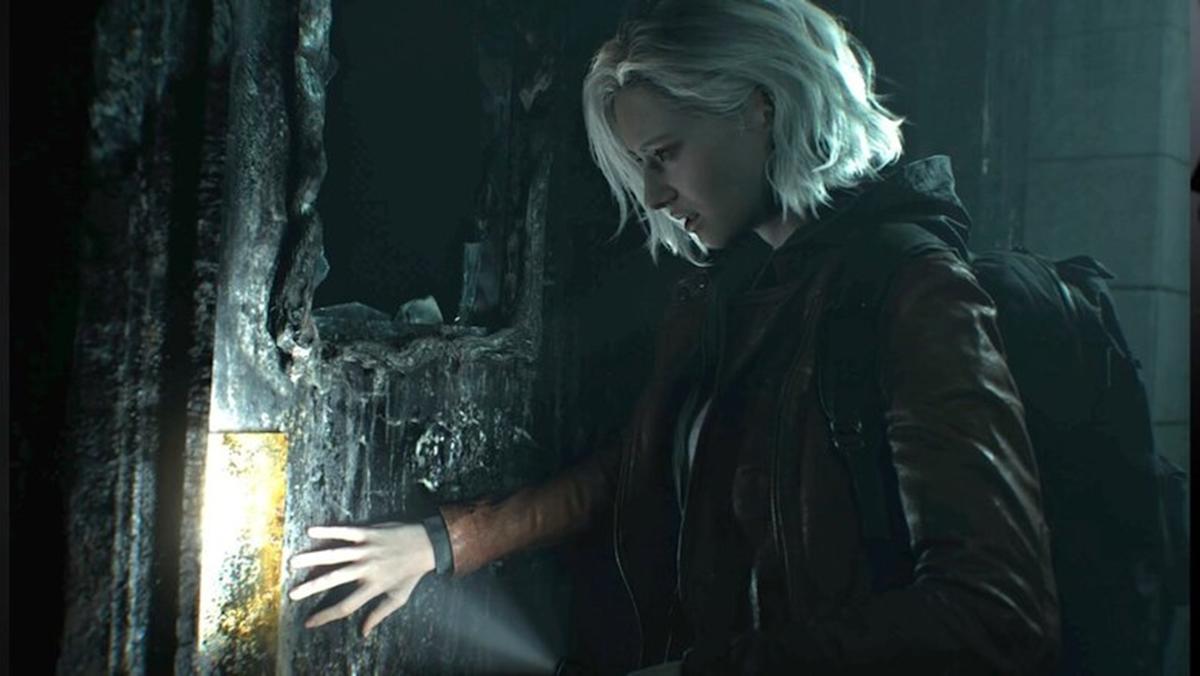
**Resident Evil: Requiem** has reignited debate within the multiplayer horror scene—but interestingly, not for unveiling a new squad-based, adrenaline-fueled shooter. Rather, Capcom has taken a strikingly different path, astonishing fans by shelving its plans for Resident Evil multiplayer horror. The rationale behind this decision, according to producer Hiroyuki Kobayashi, could not be more candid: “We can’t just slap on new skins and characters.” This refreshing honesty, unusually direct for a major publisher, signifies an industry at a crossroads—one increasingly choosing meaningful innovation over superficial iteration.  ## Resident Evil Requiem’s Producer Lays It Bare: “We Can’t Fake the Fear Anymore” In recent months, where imitation often overshadows originality in multiplayer gaming, Capcom’s decision is remarkably bold. Kobayashi’s reflection highlights the company’s commitment to authenticity: “If it doesn’t feel like *Resident Evil*, we won’t release it.” Unlike the divisive *Resident Evil: Resistance* or the notably troubled *Re:Verse*, *Requiem* pivots wholly toward single-player immersion. By carefully analyzing what went awry in past multiplayer attempts, Capcom has, perhaps bravely, concluded that true horror resists easy replication—it thrives on careful, experiential curation. ## You Might Be Surprised: Why Capcom Ultimately Scrapped Multiplayer On the surface, multiplayer horror seems incredibly appealing—a ragtag group of survivors battling through a nightmare together. Yet, in practice, Capcom discovered the transition from atmospheric dread to competitive mayhem undermined what made *Resident Evil* so enduring. Multiplayer, so often focused on frenetic spectacle, simply doesn’t allow for the slow-burn tension at the franchise’s core. For a series rooted in isolated fear and heavily measured pacing, this evolution was, in their eyes, unreconcilable. As Kobayashi puts it, “The tempo of a horror game is so specific. You can’t just have four people running around shooting at shadows—it stops being horror.” That insight captures a dilemma familiar to many creative industries: mechanics that fuel buzz can, paradoxically, erode the very heart of what made an experience exceptional. For Capcom, risking the franchise’s unmistakable atmosphere and loyal fan base was, ultimately, too steep a price. ## The Cautionary Tale of Multiplayer Horror—Learning From Resident Evil: Resistance *Resistance*—the asymmetrical 4v1 experiment bundled with *Resident Evil 3 Remake* in 2020—was met with muted enthusiasm. Although its blueprint seemed promising, execution notably missed the nail—atmosphere bled away, replaced by generic play and harried tension. “It felt detached,” recalls Kobayashi. “Like we were chasing trends instead of delivering something genuine.” A recent feature by [Eurogamer](https://www.eurogamer.net/resident-evil-requiem-producer-explains-why-capcom-scrapped-multiplayer-horror-we-cant-just-slap-on-new-skins-and-characters) highlights how Capcom’s post-mortem on *Resistance* became transformative—a true inflection point. Instead of a one-off misfire, the failure was internalized as a profound lesson: horror, for Capcom, is highly personal. It thrives on narrative intricacy and ambience rather than metrics, leaderboards, or what’s trending on social feeds. ## Think Multiplayer Horror Is the Future? Capcom Begs to Differ Certainly, studios like Behaviour Interactive (*Dead by Daylight*) and Red Barrels (*The Outlast Trials*) have found success threading horror into multiplayer environments. Yet, even these lauded titles wrestle noticeably with keeping the scales balanced between fear and fun. Kobayashi acknowledges their efforts: “They’re doing amazing work. But we needed to ask if multiplayer horror really belongs in *Resident Evil*. For us, at least at this moment, the answer was no.” For Capcom, choosing this route reflects a broader vision—one that resists the natural temptation to chase every fleeting fad. Instead, they are opting to refine their own artistry. The subtext is clear: following what’s momentarily popular can quickly dilute what sets your franchise apart. That lesson is, perhaps, particularly relevant for other AAA publishers racing from trend to trend. ## Embracing Nostalgia and Experience: Requiem’s Single-Player Revival Peering into the heart of *Resident Evil: Requiem*, it’s evident Capcom is drawing inspiration from the franchise’s formative entries. The story—set within an unforgiving European village, fraught with ambiguous morality and chilling experiments—delivers a narrative pulse strikingly reminiscent of earlier classics. However, this is neither simple retread nor empty nostalgia. By integrating AI-driven enemies behaving like a restless swarm of bees, and weaving in procedurally influenced storylines, Capcom is striving for a uniquely variable experience with each playthrough. Removing multiplayer clears space for deeper immersion—a commitment many would consider notably rare in today’s market. ## More Than Just Cosmetic Changes: A Push for Soulful, Lasting Horror Kobayashi’s recent admission—“We can’t just slap on new skins and characters”—has become something of a rallying cry within the community. In a domain where season passes, microtransactions, and fan service are strikingly common, Capcom’s refusal to play along feels almost subversive. Players, they argue, crave much more than a periodic new Leon Kennedy outfit; what resonates is a gripping narrative, evolving gameplay, and terror that genuinely lingers after the credits. By enacting this philosophy, Kobayashi’s team leans into authenticity above algorithmic optimization, experience over endless content drops. If preview feedback is any gauge, *Requiem* could exceed nostalgia and chart fresh territory for the series. ## Resident Evil Multiplayer Timelines: Hits and Misses | Title | Release Year | Multiplayer Mode | Reception | |—————————-|————–|———————|——————–| | Resident Evil: Outbreak | 2003 | Online Co-op | Mixed | | Resident Evil 5 | 2009 | Co-op Campaign | Positive | | Resident Evil: Resistance | 2020 | 4v1 Asymmetrical | Mixed to Negative | | Resident Evil Re:Verse | 2021 | Deathmatch | Negative | | Resident Evil: Requiem | 2025 | Single Player Only | Anticipated | ## Forward Momentum: What Capcom’s Pivot Means for the Industry Pushing aside multiplayer ambitions does not equate to abandonment—in fact, it’s a notably strategic recalibration. In a sector where nostalgia battles real innovation, *Resident Evil: Requiem* could be Capcom’s most daring leap yet. Eschewing trend-chasing for honest storytelling and emotional resonance, Capcom is essentially offering a masterclass in how to respect a legacy while seeking new, creative frontiers. Ultimately, real horror may not be stumbling upon a horde of the undead but, rather, facing the creative stagnation that follows when innovation is traded for safety. *Requiem* embodies a philosophy that’s both brave and remarkably timely: to push forward by revisiting what made the series chilling to begin with. Such creative courage, in the long run, could prove particularly beneficial not only for Capcom but for the wider industry as well.
Related posts: