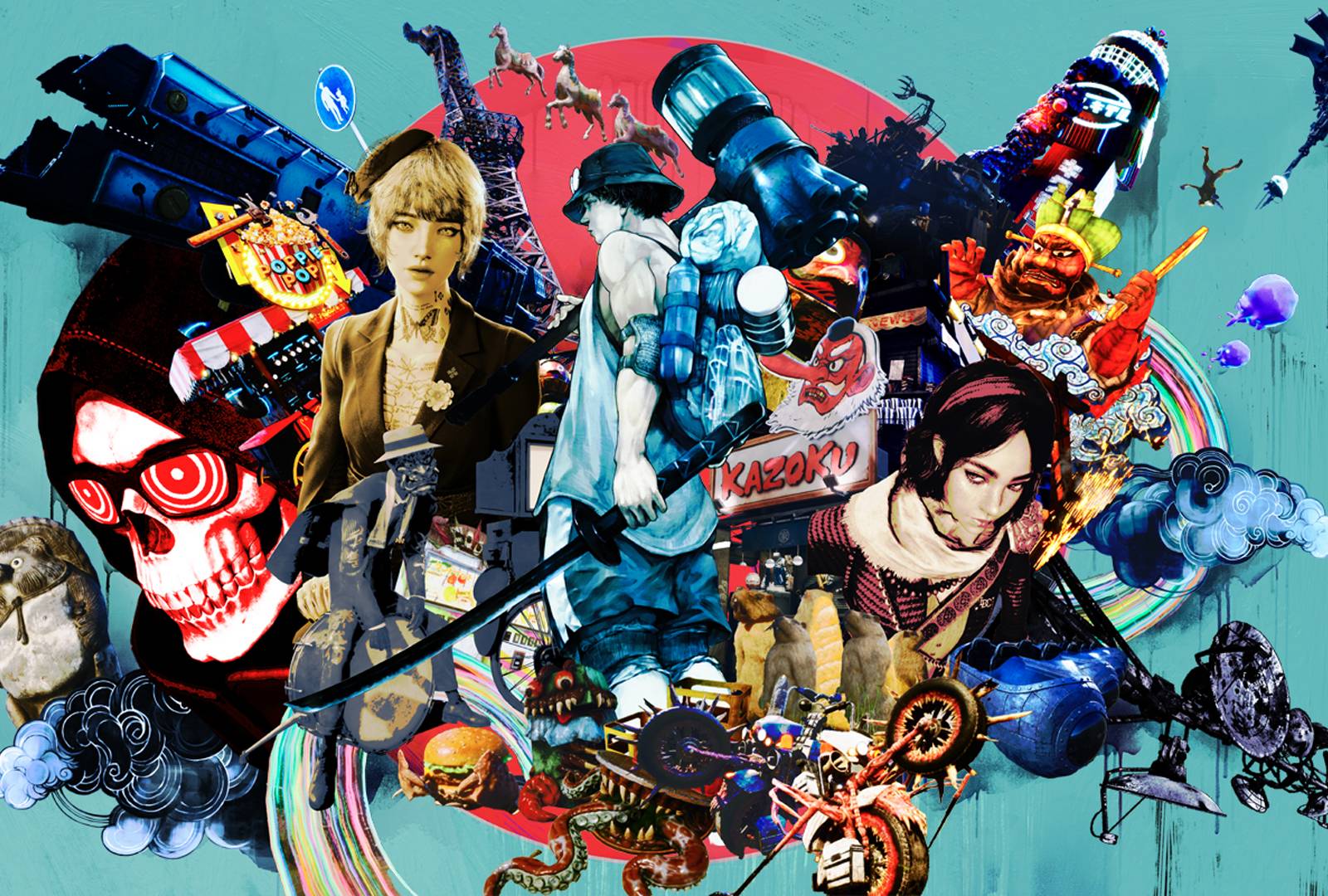

**“We’d like to begin by being transparent about the use of AI tools during development”**—With those words, Supertrick Games has thrust *Let it Die: Inferno* into the center of gaming’s most vibrant crossroads. Before its official debut, the game has already managed to ignite both passionate anticipation and fervent skepticism—a testament to how generative AI’s arrival is reshaping not just artistic workflows, but also the dialogue between creators and their communities. For the first time, a developer’s willingness to lay its AI cards on the table is sparking a meaningful—and long overdue—conversation about authenticity, speed, and the very soul of the medium. ## 1. “We’d Like to Begin by Being Transparent About the Use of AI Tools During Development” — A Notably Different Approach In a space where corporate doublespeak often sets the tone, Supertrick Games caught everyone off guard with a statement that was exceptionally clear: Yes, generative AI played a role in shaping *Let it Die: Inferno*. While many studios tend to blanket their processes in ambiguity—referring to “cutting-edge solutions” or “innovative pipelines”—Supertrick instead offered specifics, a move that’s strikingly rare but particularly beneficial for restoring trust. Responding to sharp-eyed players who noticed subtle differences in promotional artwork, Supertrick addressed the issue directly on its Japanese community portal. According to their statement, the team employed generative AI to create conceptual text and 2D mock-ups in the initial stages. Importantly, they emphasized that every final in-game asset was revised or rebuilt by human hands, setting a clear boundary between inspiration and execution. ## 2. Peering Behind the Curtain: How Generative AI Elevated Early Development In recent years, the potential of generative AI to accelerate the creative process has been hotly debated. Skeptics worry about robots writing the next big narrative, while supporters point out just how remarkably effective these systems can be for rapid prototyping. For Supertrick, AI wasn’t about automation—it was a highly efficient ideation tool, a digital muse transforming vague ideas into draftable concepts at unprecedented speed. Drawing inspiration from industry peers like Ubisoft, who’ve similarly pioneered AI-assisted workflows, Supertrick used these systems to generate a swarm of ideas, much like an architect sketches dozens of models before selecting one to refine. By leveraging this process, the team reports significantly reduced time spent on early-stage brainstorming, enabling professional designers to focus on polishing and innovating rather than wrestling with creative block. ## 3. Community Blowback—And Why It Matters Unsurprisingly, the developer’s candor was immediately met with outrage. Within hours of the announcement, forums and social platforms lit up with accusations of “mechanical creativity” and fears about the erosion of genuine artistry. This wave of criticism—strikingly similar to responses seen in other creative fields—underscores a deep uncertainty about how AI fits alongside human craft. Yet there’s another side to this debate. By choosing authenticity over obfuscation, Supertrick has—perhaps unintentionally—shaped a new kind of conversation. Fans and creators are now discussing, with palpable urgency, where the limits and opportunities of such technology should lie. This willingness to address concerns head-on could become a blueprint for future disputes, encouraging empathy and collaborative solutions over division. ## 4. Generative AI: Boundary-Breaker or Potential Pitfall? The gaming world has always thrived by embracing the new, even when it means sailing into uncharted waters. We’ve seen exceptional shifts, from pixelated sprites to the dazzling realism of today’s blockbuster titles. Generative AI represents another dramatic leap: when wielded responsibly, it can produce incredibly versatile content—dynamic maps, adaptive dialogue, or subtle visual tweaks—that would be difficult, if not impossible, to accomplish with traditional means alone. On the flip side, unchecked reliance on AI could threaten the heart of what makes games uniquely resonant. There’s a legitimate fear that such technology could bypass the painstaking work of skilled artists, generating content that feels synthetic or impersonal. But as many have wisely pointed out, it’s not the algorithm that replaces humans—it’s the choices organizations make in deploying these tools. ## 5. A Paradoxical Gift: How Controversy Could Strengthen Game Development Curiously, turmoil around AI might serve as the catalyst for much-needed progress. With sustained public scrutiny, studios are being nudged toward clearer disclosures and the creation of ethical guidelines—a long-overdue development. Supertrick’s approach highlights how transparency can be a profoundly powerful asset, opening minds rather than closing conversations. As the industry continues evolving, we may soon see clearer categories for AI’s role—whether as a conceptual springboard, a production assistant, or a tool for final refinement. This clarity will empower players to make informed choices and creatives to set their own boundaries, fostering a more respectful dynamic between each side. ## Looking Forward: Why Candor Could Be the Next Badge of Honor If there’s a single lesson from this saga, it’s that artists and audiences alike are ready for a new standard—one in which the origins of a creative work are just as important as the outcome. In a world where “handcrafted” is a byword for quality, disclosing the extent of AI’s involvement could become a mark of respectability and integrity, akin to an artisan signing their masterpieces. The path ahead is neither simple nor linear. But by embracing transparency, studios can position themselves not just as purveyors of entertainment but as stewards of culture, earning trust through honesty, not secrecy. For those willing to adapt, AI is poised to become less a threat and more an amplifier of human ambition. As Supertrick Games braves this new frontier, it’s hard not to feel a measure of optimism. Yes, there will be turbulence, and yes, more studios will be called to account. But those prepared to engage—thoughtfully, openly, and with the player in mind—may find themselves leading not just in technology, but in the hearts of their communities. | Aspect | Traditional Game Development | AI-Assisted Game Development | |———————–|————————————–|—————————————————| | Concept Art | Hand-drawn sketches by artists | AI-generated drafts as starting points | | Narrative Design | Fixed, writer-built dialogue trees | Adaptable dialogues with AI-supported variations | | Text Localization | Manual translation by experts | Machine-aided drafts, refined by humans | | Asset Production | Detailed, manual artwork | AI-conceived concepts, finalized by artists | | Team Efficiency | Prolonged early ideation stages | Swift prototyping and ideation via AI platforms | *Reference: [Let It Die: Inferno Developer Responds to Generative AI Controversy | Eurogamer](https://www.eurogamer.net/let-it-die-inferno-developer-responds-to-generative-ai-controversy)*