Hollow Knight: Silksong has already drawn over half a million players together on Steam at the same time—an astonishing triumph resonating louder than Hornet’s swiftest strikes. In recent weeks, Team Cherry’s sequel to the universally praised metroidvania has not only matched lofty expectations, but it has, rather remarkably, relished exceeding them. This accomplishment doesn’t just highlight Silksong’s runaway success; it carves out a permanent spot in indie gaming history, sparking lively debates across social channels and cementing Team Cherry’s reputation as visionaries. Yet, what makes this surge so unprecedented? How did an intimate studio from Adelaide, Australia, find itself competing directly with industry Goliaths?
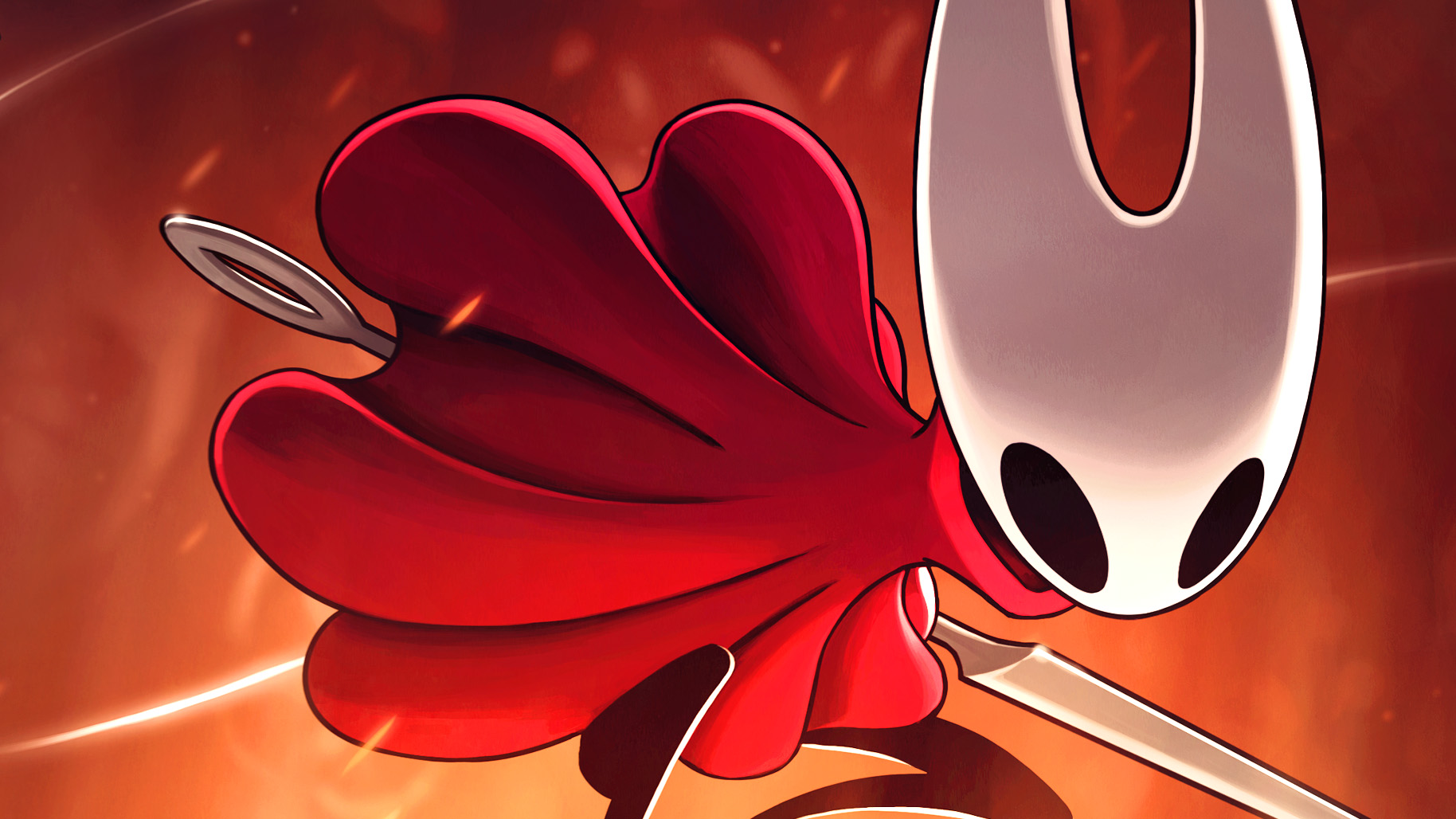
Silksong Slices Through Steam’s All-Time Records with Needle Precision
Silksong’s dazzling debut has, quite frankly, left many industry veterans at a loss for words and turned speculation into awe. The game’s record-shattering 587,000+ concurrent players on Steam—a figure that’s exceptionally rare in platforming games—is an emphatic validation of both vision and execution. According to reporting by Eurogamer, Silksong soared straight to the top of Steam’s most-played charts, toppling titans like Apex Legends and Counter-Strike within mere hours. The momentum behind its launch was not fueled by bombastic advertising budgets but instead, by an organic, fiercely loyal community buzzing with anticipation. Silksong’s meteoric rise in recent days has notably redefined what’s possible for independent developers.
What’s strikingly clear is that Silksong did not simply arrive—it erupted onto the scene, igniting waves of genuine excitement as fans rallied together day one. During those first few hours, it seemed as though every corner of the internet hummed with conversation. The excitement, nurtured patiently over years, finally burst into something tangible and powerfully communal. Few indie projects in memory have ever launched with this magnitude of sheer energy and grassroots momentum.
Why Does Surpassing Half a Million Matter for Silksong—and for Indie Games?
At face value, reaching 500,000+ concurrent players may appear to be a predictable outcome for a hotly anticipated follow-up. However, that perspective grossly underestimates what Team Cherry has, with quiet determination, accomplished. Silksong is far from content to ride on its predecessor’s reputation. Instead, in particularly innovative fashion, the game revamps core mechanics, introducing fluid new moves, dazzlingly vibrant environments, and a score that dances between somber and triumphant. All of these elements, crafted with exceptional care, breathe life into what is, in every sense, a reimagined vision of the metroidvania blueprint.
Weaving a narrative full of determination and transformation, Silksong’s world-building feels exceptionally durable—it stands resilient as a living, breathing entity. Its orchestration, meanwhile, envelops every challenge and choice in memorable ambiance. For many players, the effect is virtually poetic: a journey that is challenging, rewarding, and moving. This is precisely why this benchmark matters—not for numbers alone, but for the clear validation of indie storytelling as a force both powerful and highly efficient in moving audiences.
Does Any Indie Game Truly Rival Silksong’s Meteoric Moment?
Stepping back for perspective, Silksong’s explosive player engagement is genuinely extraordinary within the indie space. When measured alongside iconic successes like Stardew Valley and Hades, Silksong’s surging concurrent numbers stand out as a watershed moment. Even Hades II, which debuted to thunderous applause, couldn’t spark quite the same critical mass so immediately.
| Game Title | Developer | Peak Concurrent Steam Players |
|---|---|---|
| Hollow Knight: Silksong | Team Cherry | 587,000+ |
| Hades II (Early Access) | Supergiant Games | 85,000 |
| Stardew Valley | ConcernedApe | 93,000 |
| Celeste | Matt Makes Games | 12,000 |
| Dead Cells | Motion Twin | 18,000 |
Notably, Silksong’s accomplishment sets a significantly higher watermark for indie developers to aspire toward. The traditional barriers—often seen as insurmountable for small teams or niche genres—are crumbling ever more quickly. Through patient world-building, audacious mechanics, and consistent engagement, Team Cherry has demonstrated that the divide between ‘indie’ and ‘blockbuster’ is growing strikingly thinner with each passing success story.
Silksong’s Lasting Power: An Indie Title That Echoes Like Art
With each silken thread and delicately haunting theme, Silksong is quietly signaling where modern gaming might be headed. Its atmosphere—particularly immersive and intentionally minimal at times—invites players to read between the lines, to surrender to silence, and to savor the cadence of discovery. For me, stepping into this world felt not just like playing a game, but like unlocking the stanzas of a living poem, one gracefully etched into digital memory.
Perhaps what’s most impressive is how enormously compelling the experience remains even for those unfamiliar with the franchise. So many players, from hardened speed-runners to wide-eyed newcomers, found themselves launching Silksong not for clout or content-creation, but for connection. The game, remarkably effective in both challenge and charm, rewards curiosity and resilience in equal measure.
Looking Forward: What Awaits Team Cherry and the Silksong Community?
With this emphatic milestone now set in stone, attention naturally shifts to what’s in store. In the coming months, speculation mounts: Will there be DLCs or timed content drops akin to Hollow Knight’s former expansions? Are console debuts lurking just over the horizon? Equally, can Silksong’s momentum remain as sharp as Hornet’s needle past launch week?
Industry watchers suggest that significant updates, player mods, and community events might already be in the pipeline, with Team Cherry possibly collaborating with major streaming services for in-depth behind-the-scenes features. If these rumors prove true, such moves could notably deepen engagement and keep the conversation alive long after the initial launch window has closed.
Final Reflections: Silksong, the Indie Masterpiece That Redrew the Map
Silksong exceeding half a million players already feels like a turning point—one that’s energized not just by nostalgia, but by truly exceptional design and an unwavering respect for its audience. This explosion of support is highly encouraging, suggesting that remarkable stories and vision can still find enormous audiences, even in a field crowded by giants.
From the first thrilling battle to the evocative orchestral swells, Silksong resonates far beyond expected circles. In my view, it stands as proof that the dedicated ingenuity of a small group can create something universally treasured. As fans everywhere, myself included, keep exploring this web of wonders, Silksong’s legacy as a cultural beacon seems only likely to grow. Team Cherry hasn’t just launched a game—they’ve released a remarkably effective and enduring work of digital art.
Related posts: