


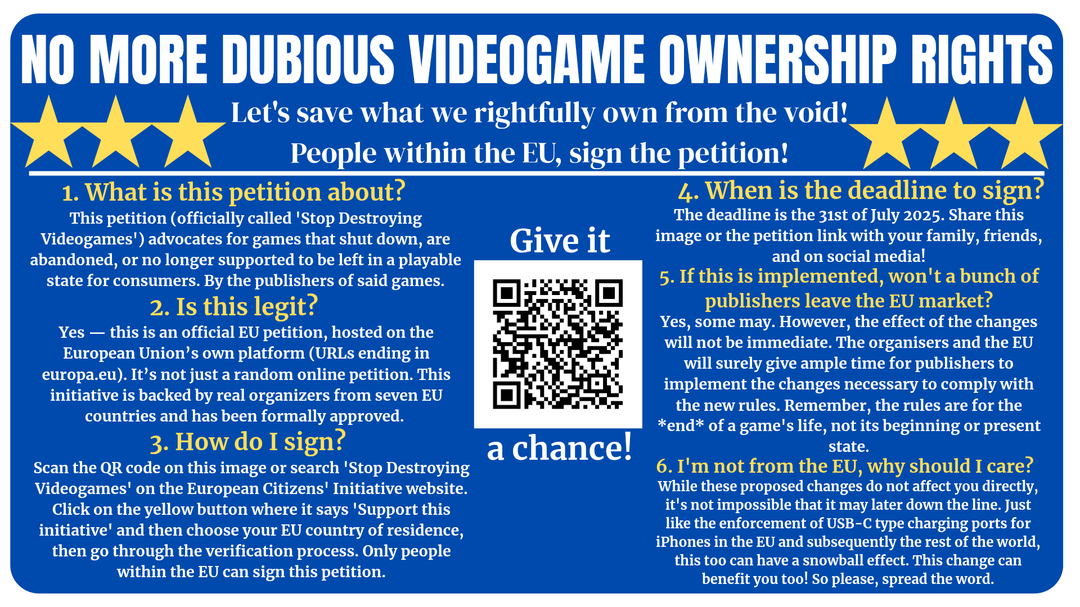
Alright, let’s be honest – if you’re into online gaming, you’ve probably been frustrated at least once by how greedy or mismanaged publishers can get. Ever tried playing your favorite game, only to be ambushed by paywalls, loot boxes, or “you can’t continue unless you pay” pop-ups? Yeah, we feel you. Well, it seems you’re not the only one who’s had enough. The European Union (EU) just launched a campaign aimed at stopping publishers from ruining our online gaming experiences. So what’s going on, and what happens next? Grab a seat (and maybe a snack), because let’s unpack all this together!
The EU’s Big Move: What’s It All About?
In early 2024, the EU announced a sweeping initiative to hold game publishers accountable for predatory or anti-consumer practices in online games. This comes after mounting complaints about exploitative monetization, lousy customer service, and publishers simply ignoring player concerns. The campaign is designed to create actual change, not just PR stunts, and it’s shaking up the industry.
So, what exactly is the goal? In short: the EU wants to make sure game publishers treat players fairly, especially around things like loot boxes, microtransactions, and transparent communication. That means pushing for real regulations and consequences when companies mess up.
Fast Fact: Why Is the EU Targeting Game Publishers?
The EU is targeting game publishers because many players have called out unethical practices in online games, such as manipulative loot boxes, pay-to-win mechanics, and unclear refund policies. These tactics can exploit players – especially kids – and turn gaming into a cash grab rather than a fun hobby.
The Nitty-Gritty: Key Issues Being Tackled
Okay, so what are the main things the EU is looking to fix? Here are the hot topics on their radar:
- Loot Boxes: Mystery boxes that cost real money, but give random rewards. Some compare these to gambling.
- Pay-to-Win: Games where players can simply buy an advantage, making it tough for non-paying users to keep up.
- Poor Refund/Support Policies: Getting a refund or help when something goes wrong can be nearly impossible.
- Hidden Costs/Subscriptions: Surprise charges or intentionally confusing subscription models.
How Does the EU Campaign Work?
The EU is approaching the issue in several ways: regulatory action, direct discussions with publishers, and public awareness drives. They’re working with consumer protection agencies across member countries to investigate complaints, enforce penalties, and even ban offending mechanics (like unregulated loot boxes) from games sold in Europe.
What Are Loot Boxes, and Why Are They Controversial?
Loot boxes are digital items in games that you buy for real money without knowing what’s inside until you open them. They’re controversial because their random nature can be addictive, similar to gambling, and often target kids and teens who may not understand the risks or costs involved.
The Publishers’ Defense: Game Development Ain’t Cheap
Publishers, on the other hand, argue that developing and maintaining online games costs millions – sometimes billions. Microtransactions and in-game purchases, they say, help fund ongoing updates, esports, and support free-to-play models. But the EU isn’t saying these need to go away – just that players deserve transparency, fairness, and control.
What Would Change for Gamers Like Us?
If the EU’s campaign succeeds, you could expect clearer info before making in-game purchases, fairer matchmaking, better customer support, and potentially fewer surprise costs. Some mechanics, like loot boxes or subscriptions, may get revamped or removed entirely in Europe.
Will This Campaign Affect Online Games Worldwide?
Yes, big publishers tend to adapt globally to avoid splitting their player base or running multiple versions of the same game. If the EU sets tough standards, other regions (like the US, UK, or Australia) might follow, and publishers may just roll out changes across the board.
Supporting Data: What Do Players Really Want?
A Europe-wide study from the European Consumer Organisation (BEUC) found over 70% of gamers are frustrated by pay-to-win mechanics, and 58% want stricter rules around in-game purchases. You can check out the full report at the European Consumer Organisation’s website for detailed numbers and findings.
Let’s Go Deeper: Loot Boxes vs. Battle Passes
Not all monetization is created equal. Loot boxes are seen as unpredictable and akin to gambling, while battle passes have become the “less evil” alternative. With a battle pass, you pay a set amount to unlock a structured progression of rewards – it’s clear what you’re getting, and there’s less temptation to spend impulsively.
For example, games like Fortnite and Apex Legends have moved toward battle passes, getting praise for their transparency. The EU campaign may encourage more studios to embrace clearer models like this – it’s a win for players who want fun without the gamble or FOMO.
Case Study: The FIFA Ultimate Team Fiasco
One of the biggest examples that triggered regulatory action was EA Sports’ FIFA Ultimate Team. Players buy “packs” (randomized virtual cards) in hopes of getting star athletes. It’s exciting – but also addicting, with some users spending thousands and getting nothing of value. After years of complaints, several European countries forced EA to reveal pack odds and even consider banning the feature for underage players.
The result? EA changed its policies and introduced more transparency, showing how coordinated pressure can push big publishers toward fairer practices.
What Happens Next: Real Change or More Empty Promises?
Honestly, there’s always a risk that big talk leads to small change, especially when mega-corporations are involved. However, the EU’s campaign comes with real leverage. Penalties are on the table – including fines, banning games that break the rules, and public naming-and-shaming.
As awareness grows and lawmakers see these issues as more than “just gaming problems,” it’s likely we’ll see steady improvements. Game studios are already watching closely, as nobody wants to be the next headline for ripping off their players.
Quick Recap: What Should Gamers Watch Out For?
Gamers should keep an eye on how their favorite titles adapt: Are odds and costs clearer? Is there more control over in-game spending? Are customer support and refunds easier? Stay connected to gaming communities – often, the fastest news comes from fellow players sharing their experiences.
Extra: Tools and Apps to Track Your In-Game Spending
Even if the EU’s changes take time, you can safeguard yourself with some tracking tools. Apps like Managr, Mint, and even Google Play’s built-in spending summaries let you monitor how much you’re really dropping on skins, loot, or in-game boosts. These can be game-changers for keeping your hobby fun, not financially stressful.
Wrapping Up: What Can You Do?
This EU campaign is a major wake-up call for publishers—and for us as players, it’s a reminder to be informed and vocal about what we want. Support games that treat you fairly; don’t be afraid to call out bad actors, and use your platforms to share experiences. Change rarely happens overnight, but when enough of us show we care, the industry has to listen.
If you found this article helpful or have thoughts to share, drop a comment, tag a friend, or share your story online. Let’s make online gaming awesome again—together!
FAQ: EU Campaign vs. Greedy Publishers
Q1: What exactly is the EU doing to stop publishers from ruining online games?
A1: The EU is working with consumer protection agencies to regulate in-game monetization, conduct investigations, and enforce penalties for unfair practices.
Q2: Will this campaign affect games outside of Europe?
A2: Most likely, yes. Big publishers tend to apply changes globally to keep things simple for development and players.
Q3: What are loot boxes, and why are they compared to gambling?
A3: Loot boxes are paid, randomized rewards in games. They’re compared to gambling because you don’t know what you’ll get when you buy them, leading to risky spending behaviors.
Q4: Can players help support the EU’s campaign?
A4: Absolutely! You can support by staying informed, reporting unfair practices, and supporting games and developers that are transparent and player-friendly.
Q5: Are battle passes or seasonal passes safer than loot boxes?
A5: Generally, yes. Battle passes clearly outline what you’ll get for your purchase, while loot boxes offer random rewards that can be addictive or misleading.


