
**Banjo-Kazooie Comes to PlayStation Through Dreams: A Fan Triumph Redefines Possibility** Banjo-Kazooie’s unexpected arrival on PlayStation via Dreams has, understandably, electrified gamers and developers alike. In recent weeks, this fan project has not only brought a beloved Nintendo 64 classic to a new audience, but also challenged industry boundaries with a spirit of enthralling innovation. Remarkably, even Rare—the studio that first brought the bear and bird duo to life—has openly acknowledged the feat with genuine enthusiasm. What signals does this send for future fan undertakings, intellectual property borders, and the reinvention of classics? 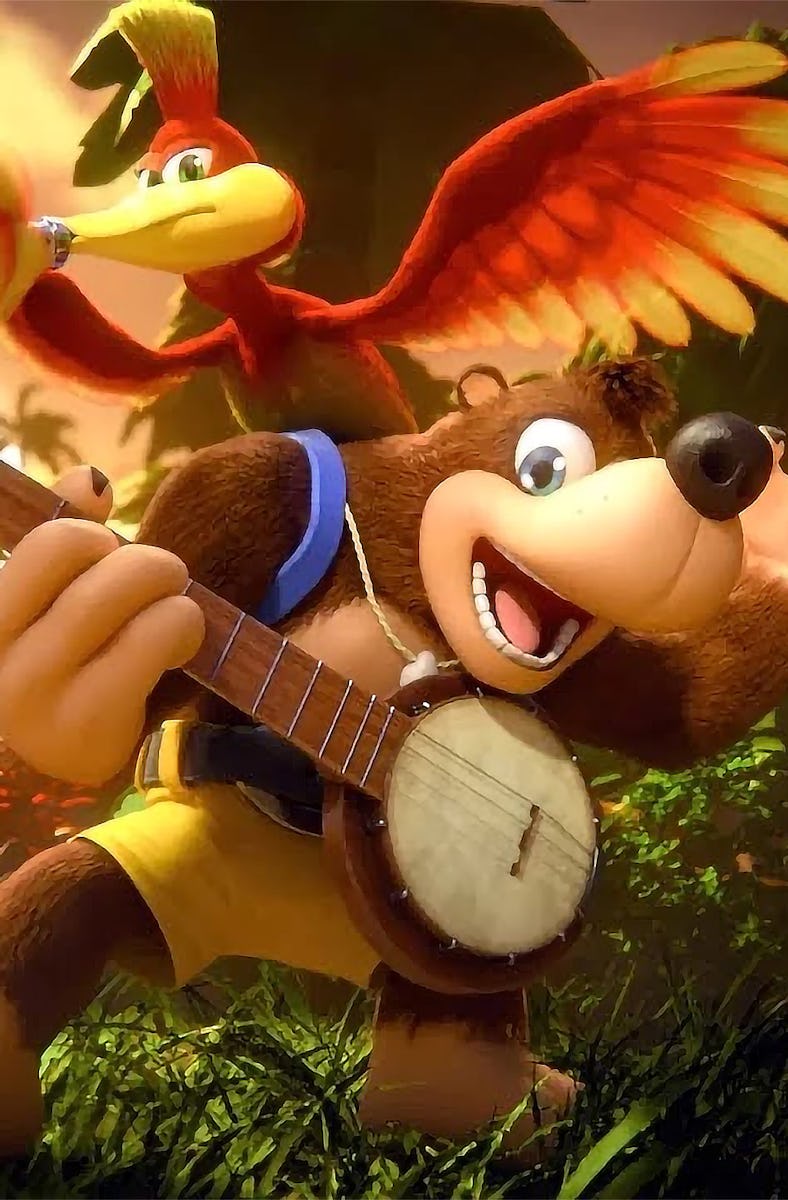 ## **Banjo-Kazooie on PlayStation Through Dreams: Fan Creativity Shatters Old Limits** In the context of modern gaming, few achievements stand out as unusually daring as Banjo-Kazooie’s vibrant recreation in Dreams, Media Molecule’s ingenious PlayStation-exclusive creator’s suite. Carefully crafted over a span of two years by ‘Project Genesis’, this tribute doesn’t merely imitate the iconic platformer; it revitalizes the dynamic with a surprisingly authentic flair, once thought nearly unattainable outside Nintendo’s ecosystem. With motion, atmosphere, and level design brought to life entirely within Dreams’ toolkit, the result speaks volumes about what a single passionate talent—empowered by powerful tools—can accomplish. Notably, Rare, now part of Microsoft Studios, didn’t watch in silence. Instead, the studio praised the project—notably complementing fan initiative—so long as it remains non-commercial and respectful of legal boundaries. Such overt support is particularly unusual, marking a potential shift in relationships between fans and copyright holders. ## **Rare’s Response: A Moment of Support That Resonates Across the Industry** Earlier this month, Rare’s official X account highlighted the love and dedication behind the Dreams project with a warm yet measured affirmation: “As long as it’s legally above board and remains non-commercial, it’s wonderful to see the passion fans have for our work.” Coming from an industry giant traditionally known for protecting its intellectual assets, this sentiment feels notably progressive, feeding optimism among creators everywhere. By stepping back rather than stifling innovation, Rare is—subtly, yet powerfully—encouraging a grassroots renaissance. In the context of the broader entertainment industry, this strategy is remarkably effective at sustaining legacy brands and keeping them relevant amidst shifting demographics and preferences. ## **Dreams as a Platform: Turning Imagination Into Playable Reality** Media Molecule’s Dreams, initially dismissed by some as a digital curiosity, has grown into an incredibly versatile playground for aspiring developers. Using its drag-and-drop interface paired with advanced scripting, users ranging from hobbyists to professionals can express themselves by designing intricately detailed experiences. Importantly, Dreams’ intuitive approach has significantly reduced the barrier for entry, allowing more diverse creative voices to flourish within its interconnected community. In the case of Banjo-Kazooie, Project Genesis elevated this potential by painstakingly reconstructing everything from the charm of Spiral Mountain’s rolling hills to the rhythmic quirks of Kazooie’s cackle. Each element, from physics to audio cues, has been honed to evoke memories while also sparking delight in newcomers. It is, by any measure, a labor of love—one shaped by thousands of careful decisions and late nights. ## **Implications Beyond Nostalgia: Community Power and Digital Regeneration** Undeniably, this Banjo-Kazooie recreation is prompting much-needed conversations about the future of dormant gaming IPs. If passionate communities can breathe new life into cherished concepts, why should these projects remain constrained by platform boundaries or outdated licensing models? Just as generations of jazz musicians refresh classic tunes through improvisation, modern gamers—supported by engines like Dreams—are keeping the pulse of yesteryear’s masterpieces alive for new audiences. Moreover, this wave of user-generated content is notably shifting the dynamic of creation. No longer are fans merely end users; instead, they’re becoming highly efficient co-architects of culture. PlayStation, by supporting Dreams, is clearly signaling a willingness to invest in the power of participatory design—a trend that will, almost certainly, intensify across the industry. ## **A Glimpse Into the Future: What Could Happen Next?** With Rare’s cautious endorsement setting a new precedent, further collaboration between major studios and independent creators seems entirely plausible. In the coming years, as engines like Unreal 5 empower small teams to produce content that rivals blockbuster titles, Dreams stands poised to do the same for grassroots initiatives—pushing creative boundaries further still. For the Banjo-Kazooie franchise itself, renewed excitement is palpable. While an official revival remains speculation, history suggests that passionate community efforts can reignite dormant series, as seen with franchises like Skyrim—kept alive and fresh through relentless modding. Perhaps this lovingly crafted recreation is exactly the spark needed for Rare to consider a full-fledged return. ## **Why Banjo-Kazooie’s PlayStation Debut Matters Today** At its core, the arrival of Banjo-Kazooie within Dreams on PlayStation is a strikingly symbolic achievement. It illustrates how nostalgia—far from a static longing for the past—can inspire cutting-edge innovation. By handing the creative keys to their communities, platforms like PlayStation are cultivating a space where fresh, original work can develop alongside affectionate homages to the classics. The lesson here is notably clear: given the freedom and proper tools, player-creators can achieve results few would have considered realistic even a decade ago. Today, that magic comes in the form of a honey-loving bear and a smart-mouthed bird. Tomorrow, it could transform entire genres or revive forgotten favorites. Driven by optimism and ingenuity, the rules of the game have been, quite literally, rewritten. | Feature | Details | |————————|———————————————–| | Game Title | Banjo-Kazooie Recreation (Fan Made) | | Platform | PlayStation (via Dreams) | | Developer | Project Genesis (Independent Creator) | | Duration of Development| Over 2 Years | | Original Publisher | Rare (currently under Microsoft Studios) | | Official Reaction | Positive acknowledgment from Rare | For those following the pulse of fan innovation, the significance of Banjo and Kazooie’s return cannot be overstated. The once improbable reality stands as a testament to what’s possible when enthusiasm, technical artistry, and measured corporate goodwill align. If you’ve ever doubted the staying power of these characters—or the communities behind them—look again. The adventure is far from over.