
Another Live-Service Game Faces Early Shutdown, Just Months After Launch
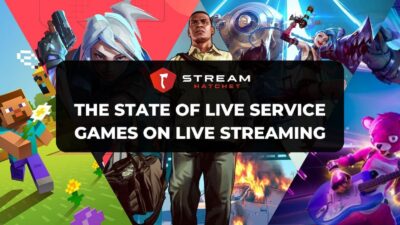
Another live-service title has abruptly ended its run, catching its still-growing community off guard and sparking widespread frustration. “The Finals: Skyline Protocol,” once positioned as a bold newcomer to the saturated live-service arena, sank beneath the surface after battling notably low retention and waning player enthusiasm. What drove such a rapid demise—and are we witnessing a pattern that’s beginning to define the genre?
🚨 Yet Another Live-Service Game Closes—Is This the New Normal?
According to Eurogamer, “Skyline Protocol”—the latest to join the growing list of shutdowns—was the work of VectorBreak Studios. Launching with ambitious features like AI-managed missions and procedurally generated arenas alongside weekly updates, the game struck many as particularly innovative. However, within weeks, player numbers dwindled to just a few hundred, an exceptionally clear sign of trouble on the horizon.
In recent months, these sudden closures have become strikingly similar across the industry. Quick turnarounds from hyped debut to silent servers aren’t mere coincidence—they’re the result of a landscape increasingly crowded by titles vying for attention, often without the infrastructure or vision to keep them afloat.
🎮 Churn and Burn: The Disappearing Act of Live-Service Games
Originally hailed as the future, live-service games are now cycling through a pattern of anticipation followed by abrupt endings. Newzoo’s 2024 State of Games report found that over 35% of live-service launches in 2023 were canceled within six months. That figure is expected to climb in the coming years, shining a light on an ecosystem where sustainability is, quite frankly, in question.
By promising frequent content, stable economies, and constant community engagement, these titles place immense strain on studios—many of whom struggle to maintain momentum. Heavyweights like Ubisoft and EA have quietly cut multiple projects after failing to hit key targets. Even for the best-prepared teams, the grind is relentless and often unsparing.
💀 “Skyline Protocol” in the Hot Seat: Behind the Scenes of a Sudden Shutdown
Leaked documents from VectorBreak Studios exposed a development process bogged down by rapidly shifting objectives and persistent overpromising. Roadmaps changed so often it left the team scrambling, with burned-out developers rushing to release features that never felt quite finished. Players—highly discerning and quick to respond—picked up on the recycled content and game-breaking bugs almost immediately.
By rolling out AI-authored missions too early and without proper human oversight, the game’s encounters felt oddly disconnected. As one Redditor eloquently put it, “It’s like a swarm of algorithms designed my last boss.” Steam reviews turned negative in record time, and customer support was soon buried under refund demands.
📉 Ambition Meets Reality: Why Most Live-Service Games Don’t Last
Building a resilient live-service experience requires an intricate balance: engaging core mechanics, thoughtful progression systems, and a community-first mindset. Lacking any of these, games—even the most promising ones—can stall quickly. The recent spate of high-profile failures shows this is not a niche issue but one of growing industry concern:
| Game Title | Developer | Launch Date | Shutdown Date | Time Active |
|---|---|---|---|---|
| Skyline Protocol | VectorBreak Studios | Feb 2025 | May 2025 | 3 Months |
| Babylon’s Fall | PlatinumGames | Mar 2022 | Feb 2023 | 11 Months |
| Rumbleverse | Iron Galaxy | Aug 2022 | Feb 2023 | 6 Months |
| CrossfireX | Smilegate | Feb 2022 | May 2023 | 14 Months |
| Knockout City | Velan Studios | May 2021 | Jun 2023 | 2 Years |
📈 Silver Linings: Is the Live-Service Model Truly at Risk?
Despite these setbacks, industry analysts are not sounding the death knell. On the contrary, the core principle of engaging players over time remains remarkably resilient. Successful outliers like “Destiny 2,” “Fortnite,” and “Warframe” have shown that, with the right combination of vision and execution, live-service frameworks can evolve into highly efficient engagement platforms that endure for years.
What ultimately differentiates thriving titles from the rest? Thoughtful content roadmaps, sincere community feedback, and a steadfast commitment to quality above all. As we move forward, it’s increasingly likely we’ll see a shift away from chasing trends and toward cultivating experiences that earn player trust gradually—rather than relying on splashy debuts.
🛠️ Lessons From Failure: Rethinking the Live-Service Playbook
Studios looking to break the cycle must fundamentally rethink their approach. Developing a compelling live-service game isn’t simply about churning out new skins or events; it means crafting experiences that genuinely deepen over time. Social engagement, long-term progression paths, and a clear, responsive dialogue with players are now essential requirements—not afterthoughts.
Additionally, entering early access with unfinished content only risks alienating would-be supporters. As one developer from Respawn put it to me during a candid conversation, “You never get a second chance at a first impression—especially in live-service.” Today’s gaming community expects polish, vision, and purpose immediately on release.
✨ Twilight or Turning Point? What’s Next for Live-Service Games
If the headlines continue—one live-service sunset after another—the industry could significantly undermine the trust of its most loyal fans. Yet, with remarkable challenges come exceptional opportunities. By scaling their ambitions sensibly, embracing transparency, and nurturing content that truly resonates, developers can lay the groundwork for a version of live-service gaming that’s not just viable, but genuinely inspiring.
Mistakes and missteps, while painful, are inevitably valuable. They can become the foundation for smarter, more sustainable game-making. Just as Hollywood’s blockbuster model gradually matured after countless flops, game developers too can learn and adapt. Rather than seeing the demise of “Skyline Protocol” and its peers as final, we might view them as exceptionally clear signposts pointing the way toward a more thoughtful, player-focused future in interactive entertainment.
Stay close to the pulse of the gaming world—subscribe now for more in-depth stories, expert insight, and analysis that goes beyond the headlines.